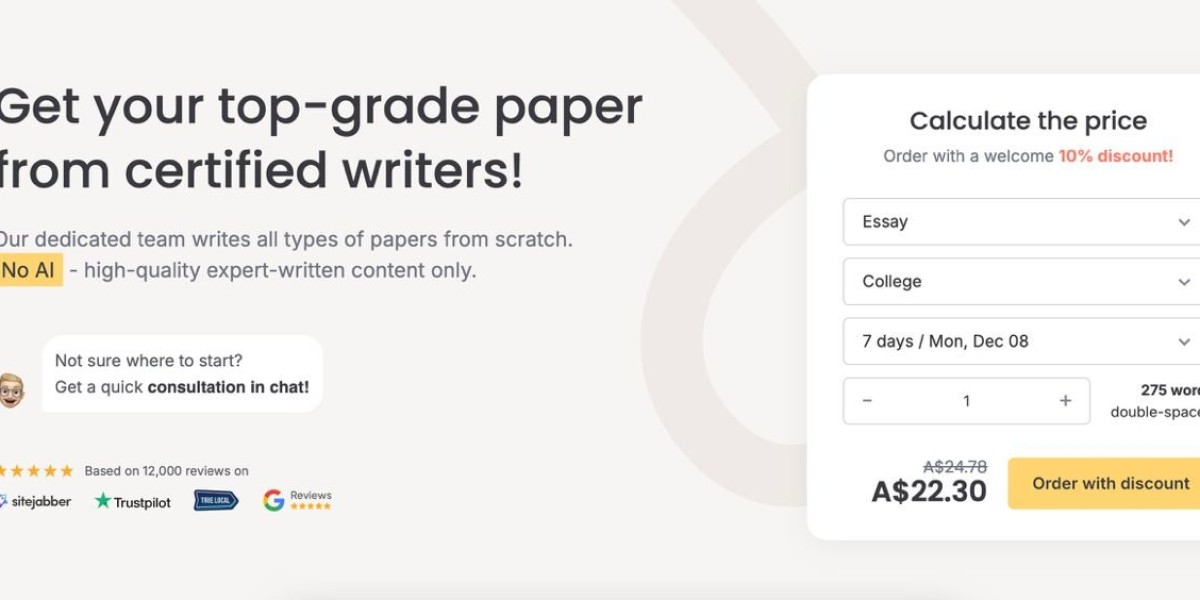
Students are no strangers to using tech to make life easier—apps for organizing schedules, grammar checkers, research tools. So when AI-powered writing tools entered the scene, it made sense that many tried them for drafting papers. But as initial excitement wears off, a familiar reality returns: quality still requires a human mind.
The reason is simple. Academic writing isn’t just about stringing sentences together. It’s about understanding expectations, presenting original thought, and communicating it clearly. That’s where certified writers still win, hands down.
Real writers know what professors actually want
AI tools can simulate essay structures, mimic academic tone, and even spit out halfway-coherent arguments. But ask it to follow a vague professor instruction? Or adapt tone for a specific discipline? That’s where things start to break.
Professional academic writers—especially those with educational backgrounds—know the subtleties of different assignments. They understand when an essay needs a stronger thesis, when a counterargument should be included, or how to shape a conclusion that sticks. These decisions require experience, not algorithms.
Students who rely on expert help aren’t being lazy. They’re being strategic. They’re outsourcing tasks that demand refined academic intuition—something that tools simply don’t have.
AI still struggles with originality and critical thinking
One of the biggest myths about AI writing is that it’s “plagiarism-free” by default. But originality isn’t just about rearranging common facts. It’s about offering a perspective. That’s something no AI currently does well.
Certified academic writers, especially those with subject-matter expertise, bring critical analysis into the picture. They don’t just repeat existing knowledge—they develop insights around it. This is especially important for argumentative essays, literature reviews, or anything that involves synthesis and commentary.
Let’s not forget citation and referencing. Human experts actually understand APA vs. MLA vs. Chicago nuances, and they format sources manually when automatic generators fail. And they don't hallucinate sources—an issue still common with generative AI.
Technical assignments need domain expertise
If you’re writing a general reflection essay, an AI tool might give you a loose draft. But for subjects like biology, economics, or law? You need someone who actually understands the field.
Writers who are trained or educated in specific disciplines know how to interpret charts, apply theories, or explain results. That depth doesn’t come from language prediction—it comes from actual study and experience.
For example, students who order from platforms like Oze Essay often request help with complex papers that go beyond surface-level summaries. These writers don't guess—they clarify requirements, ask questions, and deliver work that reflects subject understanding. That’s what makes expert-driven services reliable: they match assignments with writers who’ve worked or studied in those areas.
Revisions, feedback, and communication
Ask an AI to fix tone? It might get closer. Ask it to match your professor’s exact margin instructions? Good luck.
The real value of working with certified human writers isn’t just the paper—it’s the process. You can ask for changes. You can clarify parts that don’t feel right. You can get a version back that’s better—not just different.
This flexibility matters most when your grade depends on more than just having something submitted. The ability to request thoughtful edits, receive clarifications, and actually talk to someone makes a huge difference. Especially when deadlines are tight or instructions change mid-process.
Trust, responsibility, and academic integrity
There’s also a bigger question: who takes responsibility for the work?
When you get a paper from an AI tool, there’s no one to turn to if something goes wrong. If a professor finds issues with logic, tone, or citations—you’re on your own.
With experienced academic writers, accountability is part of the service. Good platforms guarantee originality, confidentiality, and revisions for a reason. You're not just buying words—you’re paying for a process that is transparent, traceable, and supported by human expertise.
The better writing services have vetting systems, qualified writers, and real customer support. You’re not dealing with a chatbot—you’re dealing with a person whose name, background, and work history are on record. That peace of mind matters, especially for high-stakes work.
Final thoughts: human-written papers are still the gold standard
AI tools are useful for outlines, brainstorming, or checking grammar. But when it comes to writing that actually meets academic standards—human writers are still the trusted option.
They think through problems. They ask questions. They catch subtle errors. And most importantly, they know what your assignment means beyond the words.
Academic writing isn’t just a product—it’s a process. And that process still relies on people who’ve done it before, who know the expectations, and who care about the results.
For students who want quality, consistency, and clarity, real experts remain the smartest choice.